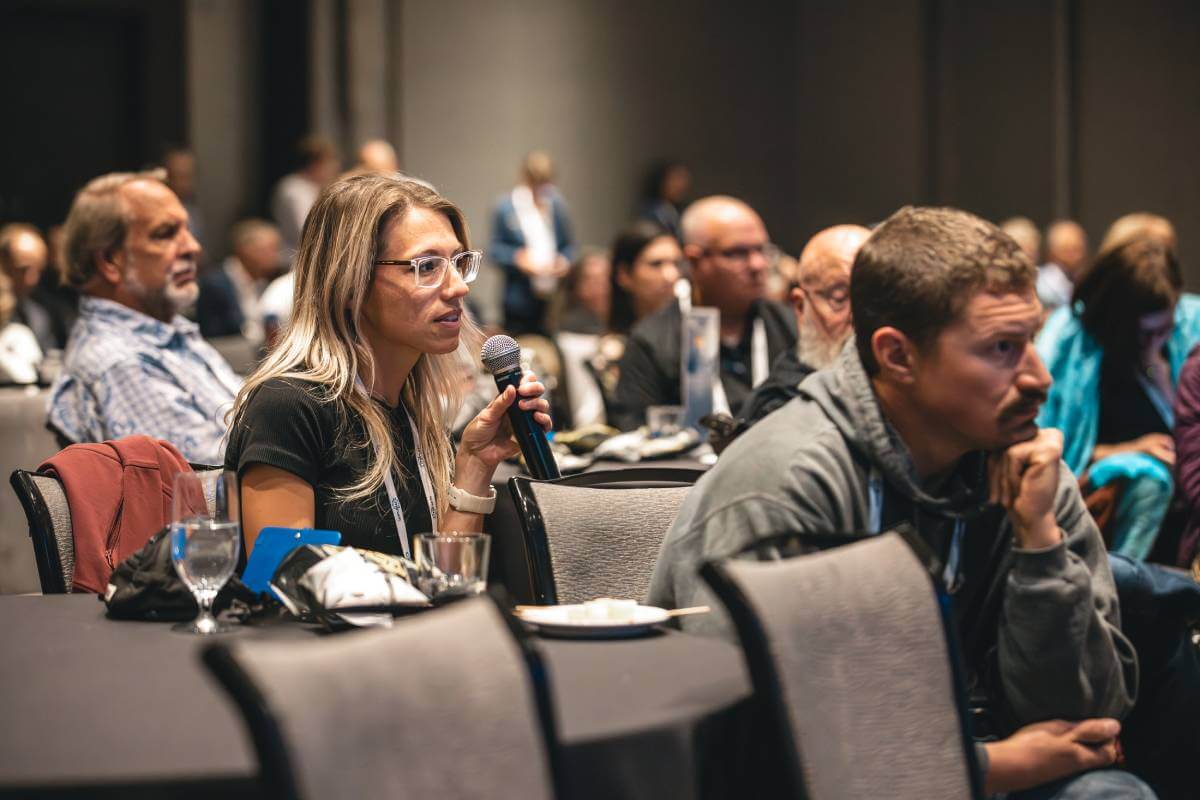


2026 Grant Awardees
Four Research Priorities. 36 Research Proposals. Pioneering PSC Research.
The 2025–2026 Research Grants Cycle from PSC Partners and PSC Partners Canada drew strong global interest, with 43 Letters of Intent and 36 full applications from researchers in 8 countries. Proposals addressed important questions in PSC and closely associated diseases, including IBD and cholangiocarcinoma.
The research reflects the four priorities identified by the PSC community through the PSC Partners Strategic Research Plan:
- Understanding how PSC develops and progresses
- Exploring the gut-liver axis in PSC and PSC-IBD
- Advancing safe and effective treatments
- Improving early detection and treatment of PSC-related cholangiocarcinoma
Meet the 2026 Grant Awardees
In 2026, PSC Partners awarded two Standard Seed Grants, two Young Investigator Awards & PSC Partners Canada awarded one. Each proposal stood out for the strength of the science and the potential impact to the PSC community.
Standard Seed Grant Awardees
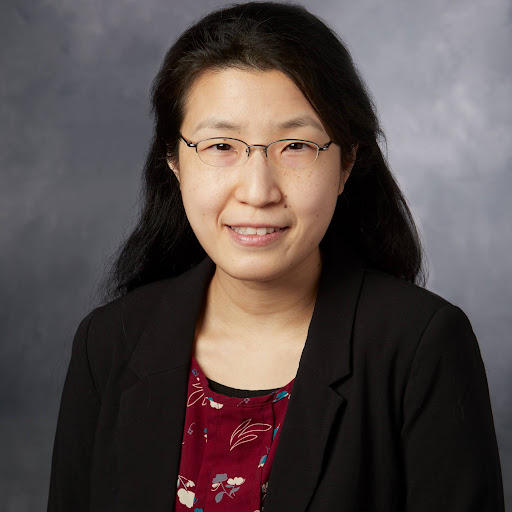
Alice Cheng, MD, PhD
Assistant Professor
Division of Medicine, Department of Gastroenterology
The University of Chicago
All fiber is not equal: evaluating dietary fiber impacts on PSC microbiome health and metabolism
The study aims to evaluate dietary fibers for their ability to promote PSC-microbiome growth and generation of disease protective metabolites and to test whether dietary fiber supplementation alters outcomes in PSC mouse models.
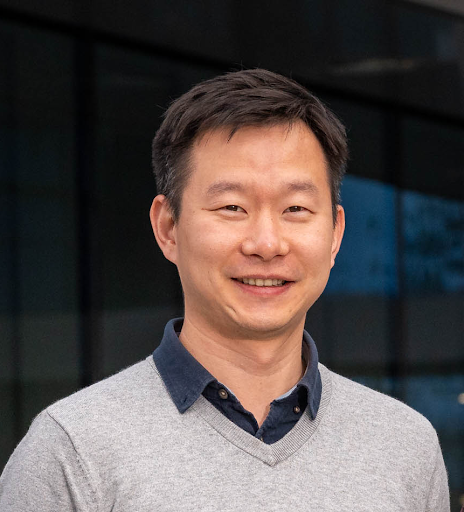
Wei-Yu Lu, PhD
Assistant Professor
Department of Centre for Inflammation Research
University of Edinburgh, UK
Defining the PSC Immune Microenvironment to Develop an Effective Combinational Immunotherapy
This study aims to use spatial proteomics and PSC immune-organoids to understand immune dysregulation in PSC, identify key costimulatory and inhibitory pathways, and develop approaches that may complement current bile acid treatments such as UDCA/norUDCA.
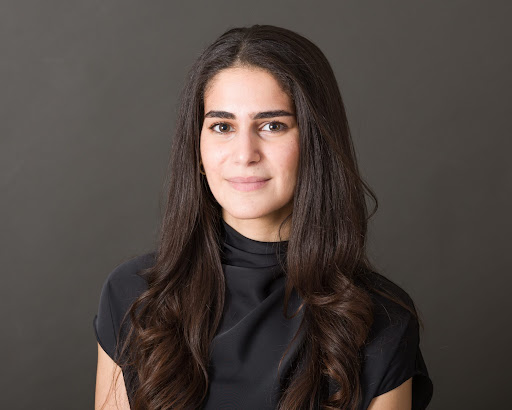
Diana Nakib, PhD
Assistant Professor
Department of Surgery
University of Maryland
Defining the Cellular Drivers of PSC Recurrence Post-Transplantation
This study aims to analyze early post-liver-transplant biopsies before clinical recurrent PSC develops, creating a high-resolution molecular and cellular map to identify early pathways and cell-to-cell interactions that may predict recurrence and guide improved monitoring and prevention strategies.
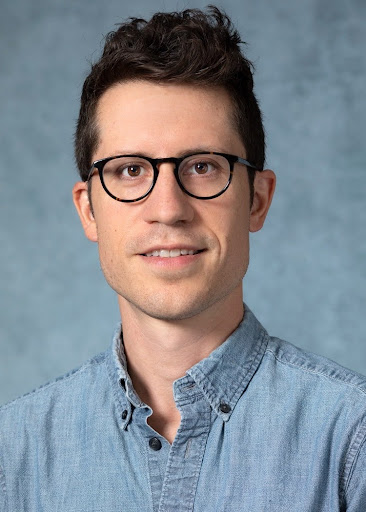
Ivan Vujkovic-Cvijin, PhD
Assistant Professor
Department of Biomedical Sciences
Cedars-Sinai Medical Center
Investigating the role of immunostimulatory gut microbes in primary sclerosing cholangitis
This young investigator plans to investigate the role of Akkermansia muciniphila as a driver of PSC. By integrating mechanistic mouse studies with longitudinal human immunology, this study aims to identify new immune pathways and microbial targets that contribute to biliary inflammation.
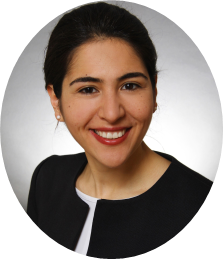
Burcin Ozdirik, MD
Postdoctoral Research Fellow
Division of Gastroenterology, Department of Medicine
University of California San Diego
 The impact of the Escherichia coli virulence factor Cold shock-like protein C on PSC
This young investigator aims to study how virulence factor–positive Escherichia coli (E. coli), enriched in the gut microbiome of patients with PSC, may contribute to disease progression in microbiota‑humanized PSC mouse model and to explore precision bacteriophage therapy as a strategy to selectively target disease‑associated E. coli strains.